Physical Health and Well-being
Regular TM practice gives the mind and body an opportunity to settle into a unique state of deep rest while remaining alert. Research has examined how this restful state may support better sleep, healthier blood pressure, cardiovascular health and overall physical well-being.

Areas Explored by Research
Deep Rest
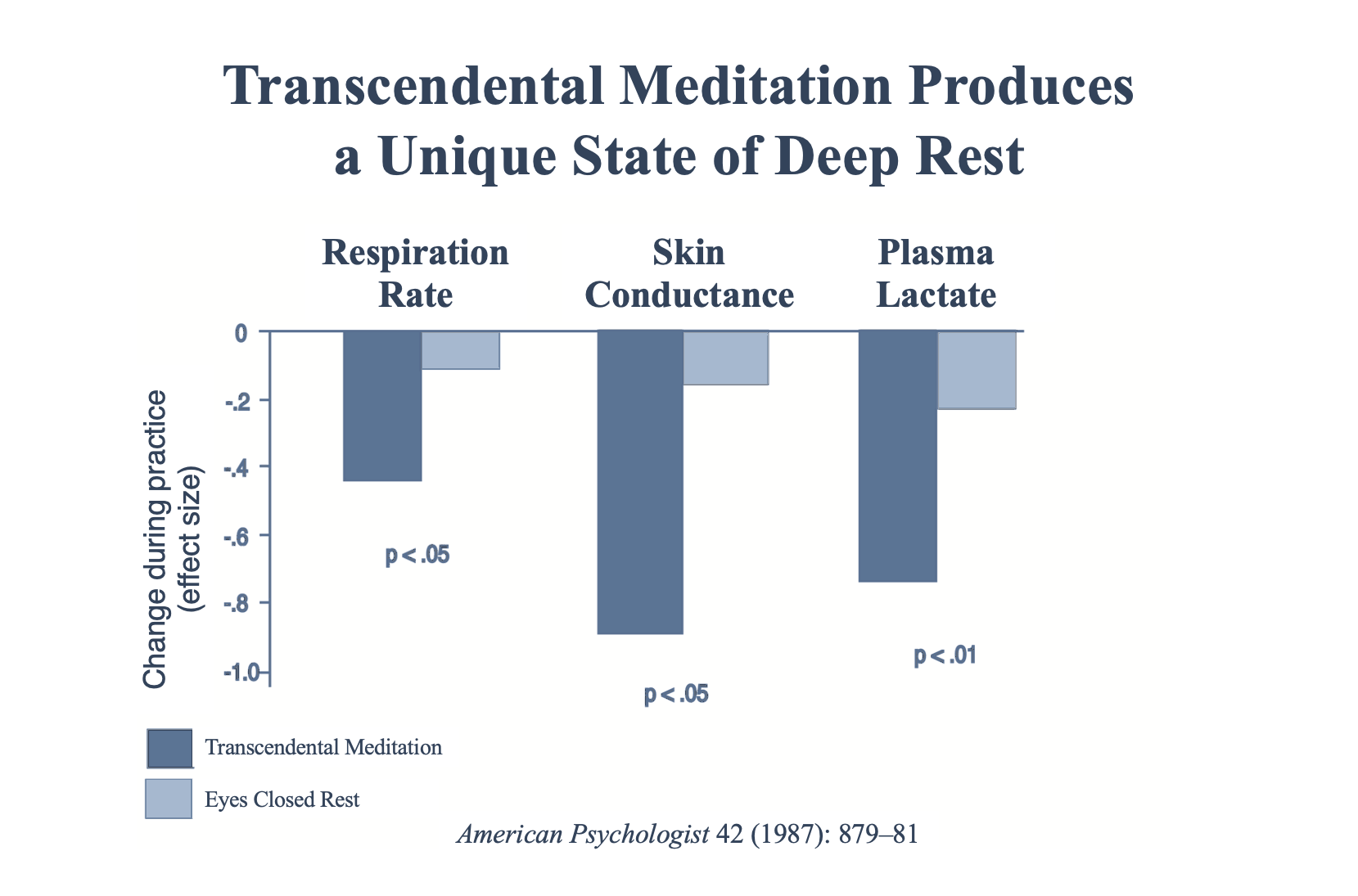
During TM, the body settles into deep rest while the mind stays alert. Breathing slows, tension eases.
Decreased Anxiety
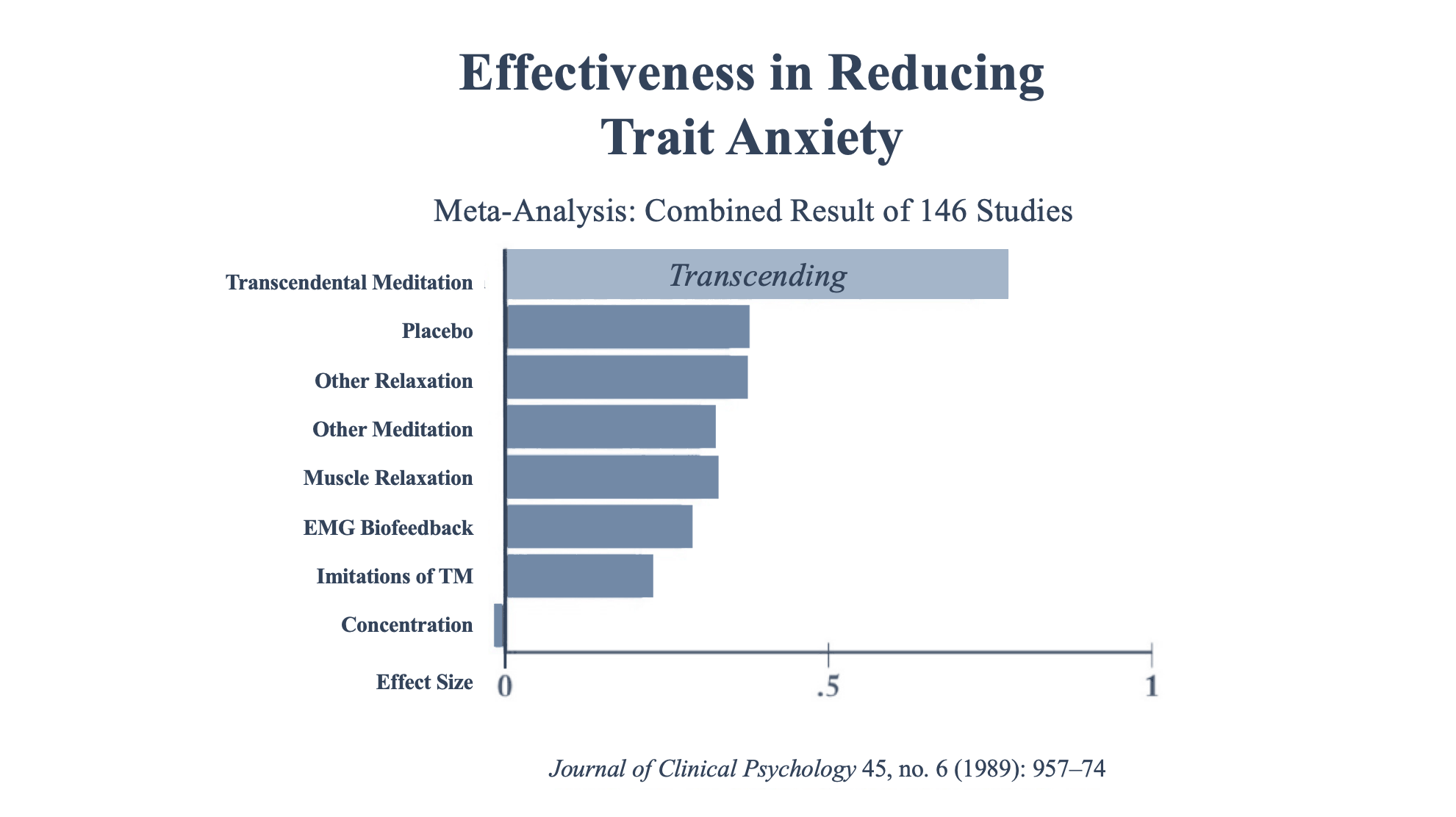
The deep rest produced by Transcendental Meditation has also been shown to greatly reduce anxiety.
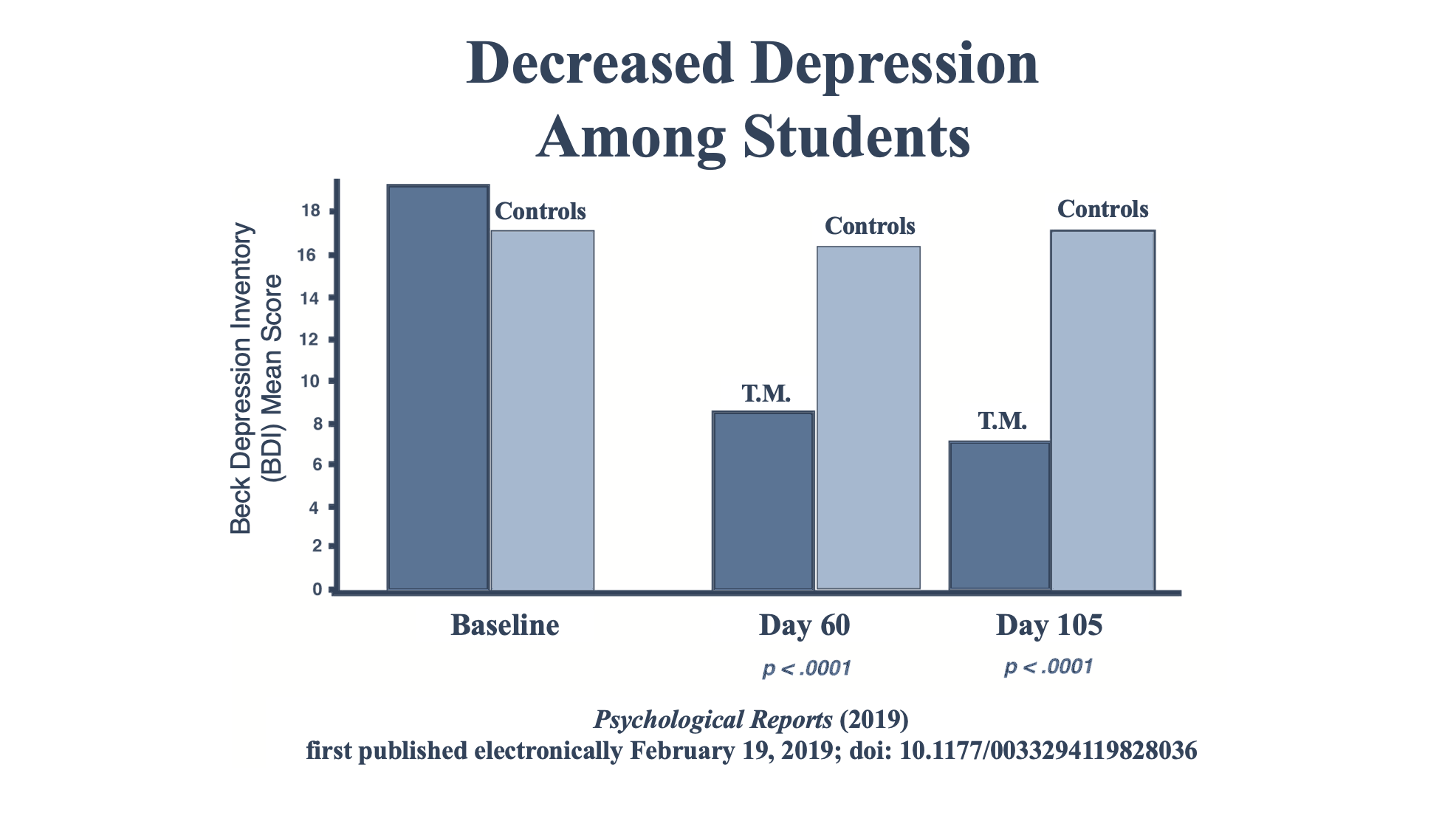
Decreased Depression
The study found that soon after learning Transcendental Meditation there were clinically significant reductions in depression.
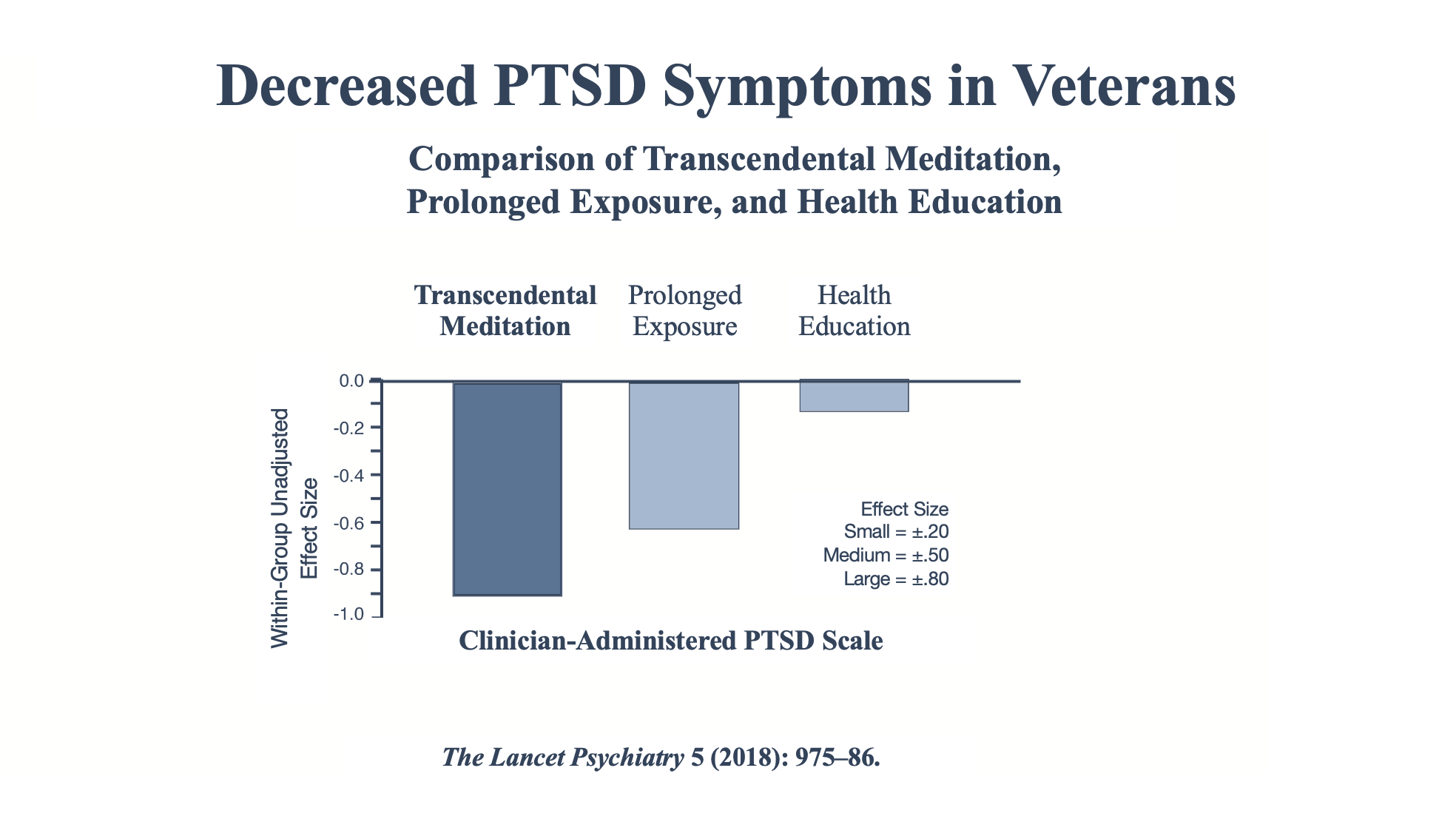
Decreased PTSD Symptoms
The study found a highly significant reduction in PTSD symptoms after three months among U.S. veterans practising Transcendental Meditation.
Decreased Blood Pressure
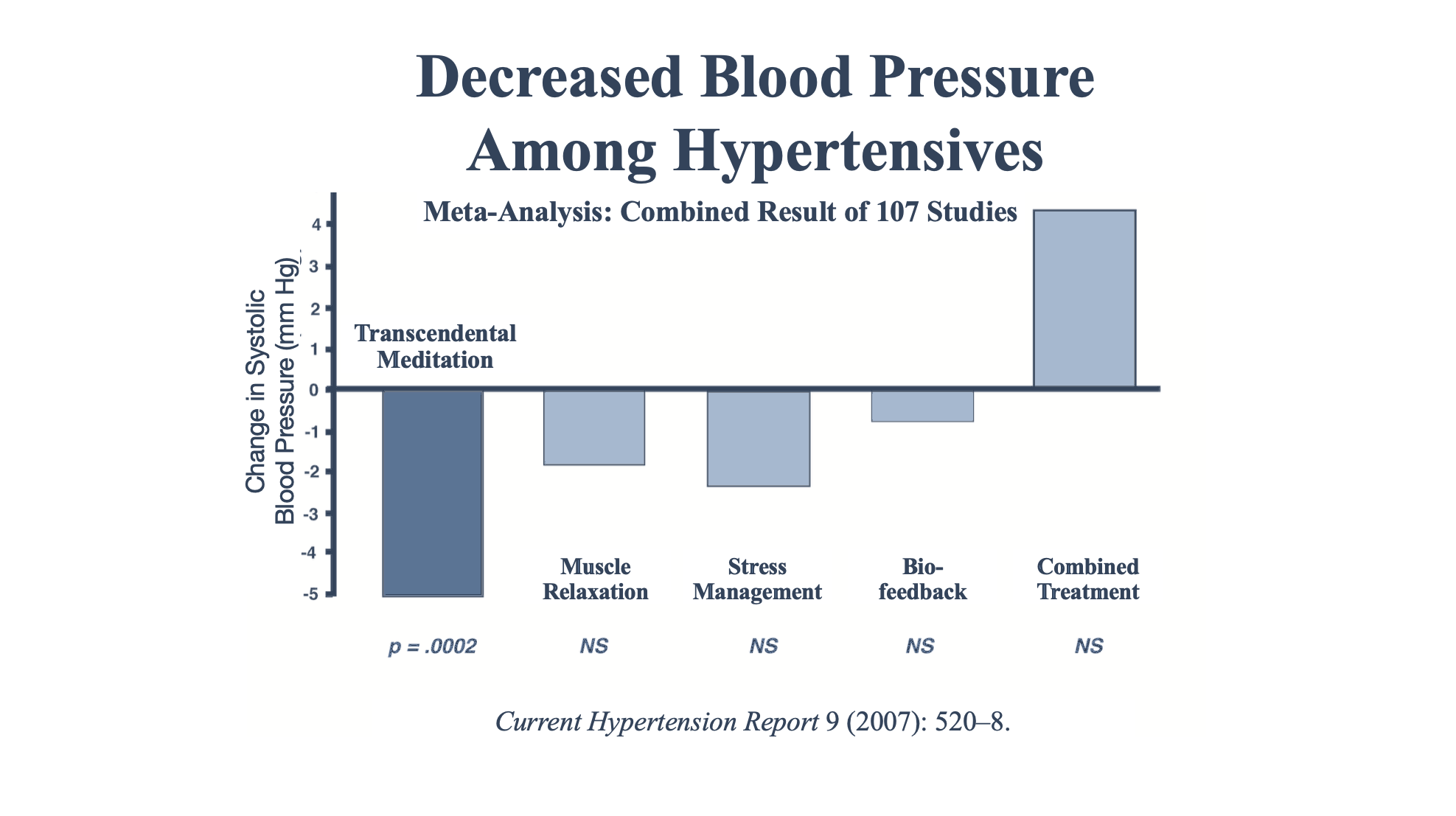
Study found that the TM technique was the only stress-reduction programme that significantly reduces blood pressure in hypertensive patients.
Cardiovascular Health
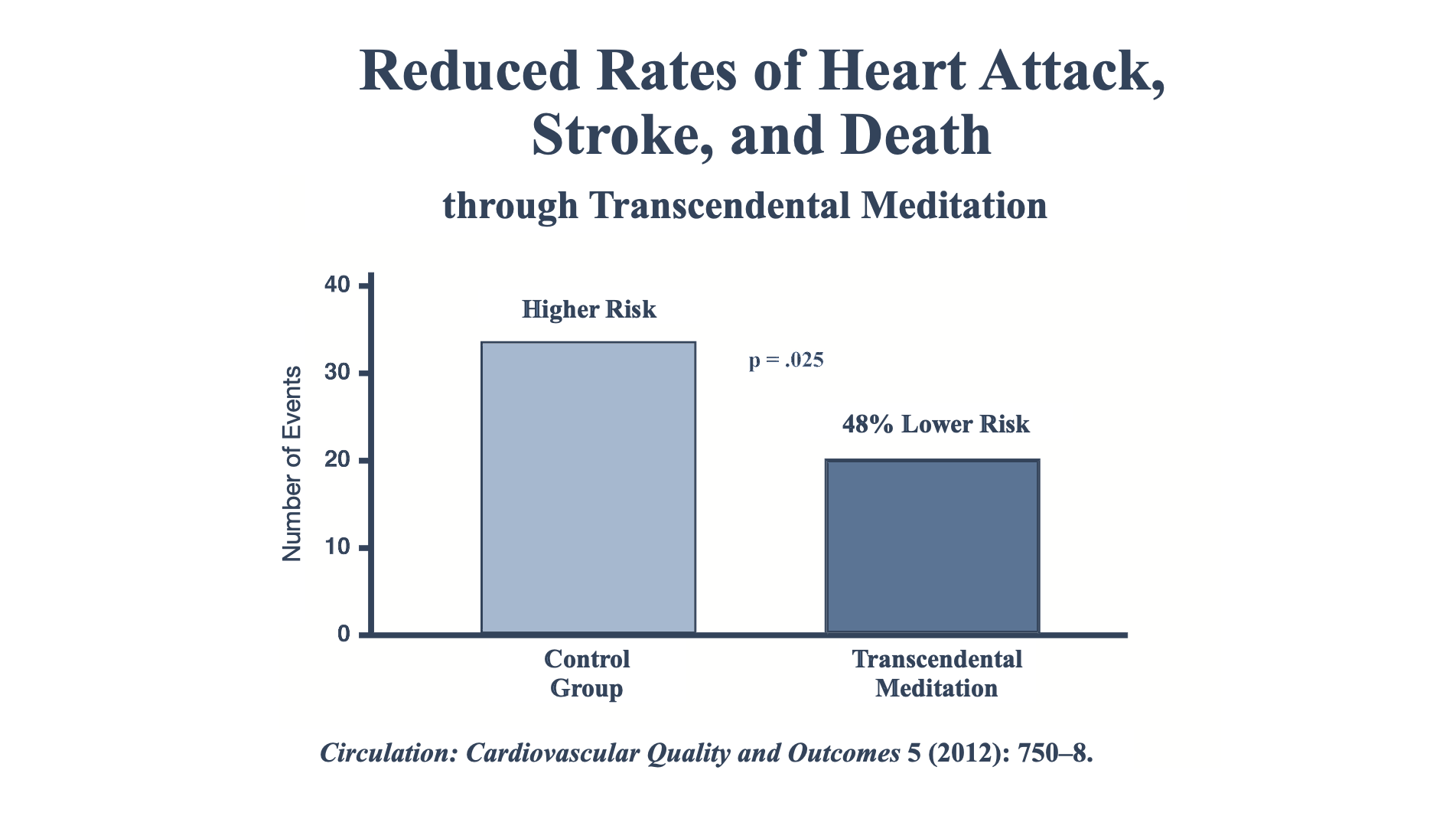
Study on Transcendental Meditation and cardiovascular disease showed a reduction in heart attack, stroke, and death over a nine-year period for people practising TM.

Deep Rest for Mind and Body
Persistent stress can affect sleep, energy and cardiovascular health. During TM, mental activity settles naturally and the body becomes deeply rested without concentration or controlled breathing.
Early physiological research reported changes in oxygen consumption, heart rate and skin resistance during TM practice. Researchers have described this combination of deep physical rest and inner wakefulness as restful alertness.