How is TM Different?
Transcendental Meditation uses a simple and effortless process that allows the mind to settle naturally within. It involves no concentration, monitoring of thoughts, control of breathing or attempt to force the mind to become quiet. TM is practised sitting comfortably with the eyes closed for 15 to 20 minutes twice daily and is learned personally from a certified TM teacher.
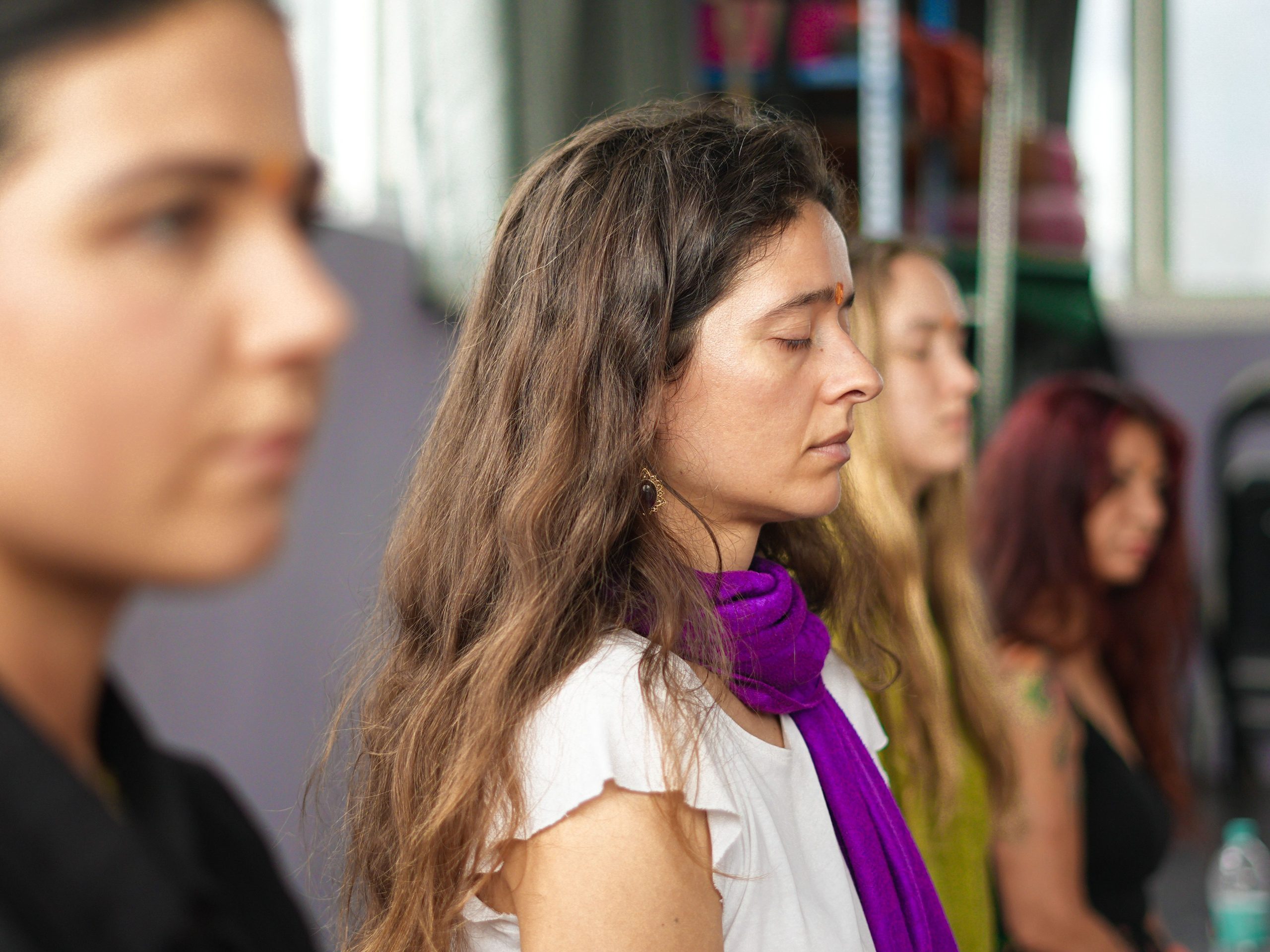
No Concentration or Control of the Mind
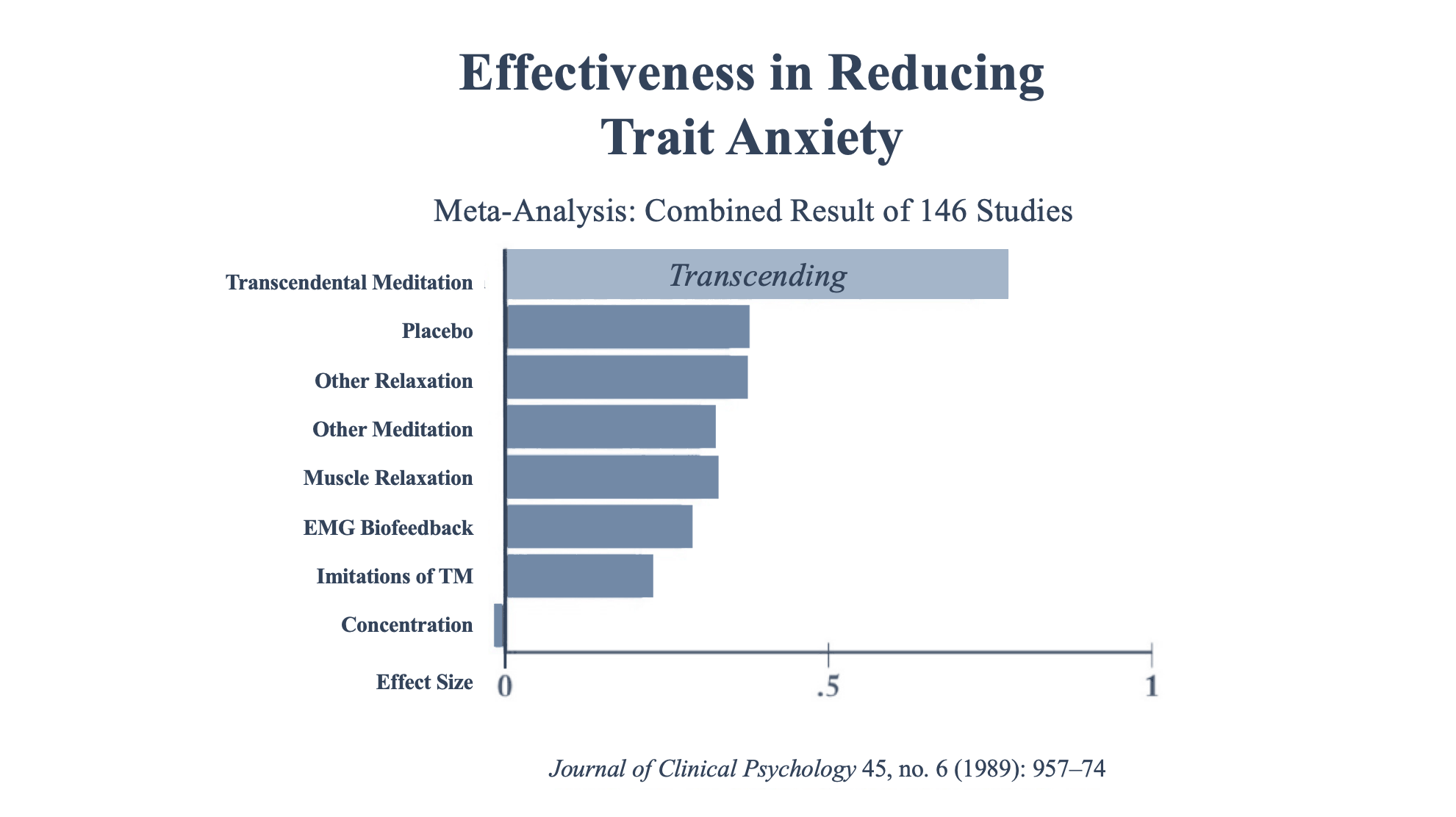
Some meditation practices involve directing attention towards the breath, observing thoughts or maintaining focus on a particular object. TM takes a different approach. Instead, TM allows the mind to follow its natural tendency to settle towards quieter and more satisfying levels of experience. This makes TM accessible even to people who feel that their minds are too active for meditation.
A Different Approach to Meditation
Meditation practices use different processes and may serve different purposes. This simple comparison explains TM’s distinct approach.
Focused Attention
Directs attention to an object, sound or the breath.
Uses Concentration
Mindfulness
Observes thoughts, sensations or breathing without judgement.
Uses Active Observation
Transcendental Meditation
Allows the mind to settle inward without concentration or control.
Uses Self-transcending
Restful Alertness
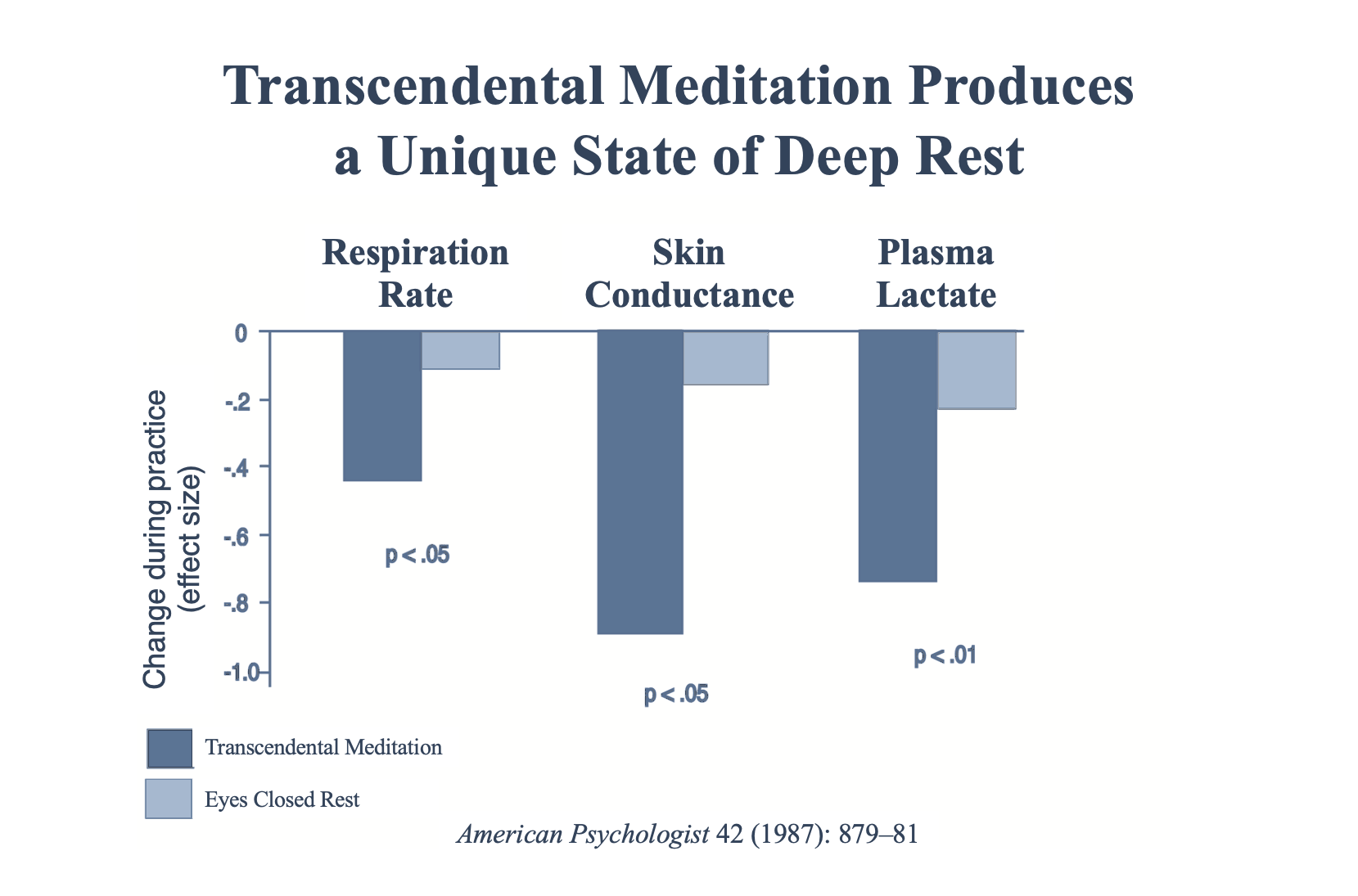
During TM, mental activity settles while awareness remains clear. The body gains deep rest while the mind remains awake.
Research has examined changes during TM practice, including calmer breathing and more integrated patterns of brain activity.

Deep Rest
The body settles into a deeply restful state
Clear Awareness
The mind remains awake rather than falling asleep.